
Resources · 4 min read
Termites in Your Wood Fence: What to Look For and What to Do
How to tell termite damage from ordinary rot, what is worth repairing, and the details that keep termites out of the next fence.
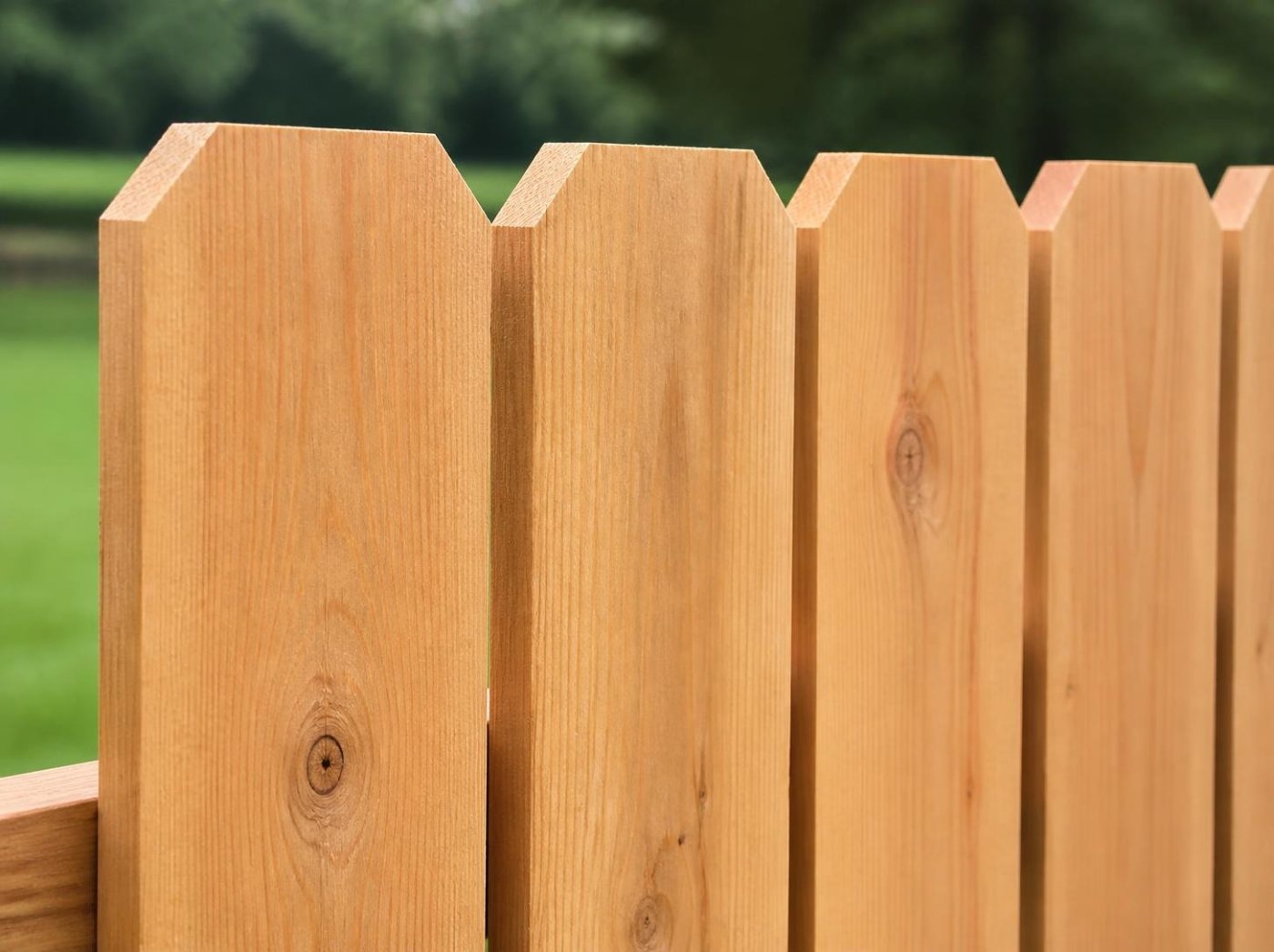
Termites go after the same part of a wood fence that rot does: the bottom few inches, where the wood stays damp and touches soil. That is why termite damage is so often found by accident, when a post snaps in a storm or a picket crumbles under a weed trimmer. By the time you can see it from the patio, the insects have usually been at it for a while.
We repair and replace fences. We do not treat termites. This guide covers how to recognize the damage, what we can fix, and how to keep the next fence from becoming a meal.
Which termites live around here?
Native subterranean termites are found across Texas, including every part of our service area. They nest in the soil and travel up into wood through mud tubes they build as they go.
The Formosan subterranean termite is a more aggressive species. The Formosan termite page from Texas A&M AgriLife’s urban entomology group names Harris County, along with Liberty and Polk counties, among the places it is established, which takes in the Cleveland area and much of the Lake Livingston shoreline. Montgomery and Walker counties were not on that list at its last update, though Harris County is right next door. Formosan swarms happen at night in late May and early June, and the winged swarmers are drawn to lights. A cloud of them around a porch light that time of year is worth a call to a pest control company.
Signs of termite damage on a fence
- Mud tubes about the width of a pencil running up a post, a rot board, or the back face of a picket
- Boards that sound hollow or papery when you tap them with a screwdriver handle
- Tunnels along the grain when you break a damaged board open, often packed with soil
- A post that gives way at the soil line while the wood above it looks fine
- Stain or paint that bubbles over soft wood near the bottom of the fence
Rot looks different. Rotted wood is soft and stringy, or cracked into small cubes, and usually wet, with no tubes or packed tunnels. Carpenter bees leave neat round holes about the size of a fingertip in rails and trim, with sawdust underneath. One fence can have all three problems at once.
Where to look first
Check the bottom foot of the fence in the spots that stay wettest: runs behind mulch beds, stretches a sprinkler hits every morning, low corners where water sits after rain, and the shaded side of wooded lots where pine straw piles up. Gate posts and rot boards deserve a close look too.
On lots that were cleared out of the woods, old stumps and buried roots near the fence line can feed a colony for years. That is common on newer streets carved out of the pines and on acreage around Huntsville and the lake.
What can be repaired
When the damage stops at a handful of pickets, the rot board, or one or two posts, we cut out the bad wood, replace it, and fix whatever was keeping that spot wet. If the colony is still active, have a licensed pest control company deal with it before the repair. Otherwise the new wood just becomes the next target.
If tubes and hollow wood turn up across several sections, or more than a few posts are soft at the base, a repair rarely holds. At that point we quote a full replacement alongside the repair, and you choose.
We don’t treat termites. Treatment and house inspections belong with a licensed pest control company. Once they have handled the colony, we take care of the fence.
Building a fence termites leave alone
No wood fence is immune, but a few details make a large difference:
- A rot board along the bottom. It keeps the pickets off the soil and is cheap to swap. We put one on every wood fence unless the owner opts out.
- Posts set in concrete. All our posts are set in concrete, so the bottom of the post isn’t sitting in bare soil.
- Galvanized steel posts. Steel posts behind wood pickets remove the part of the fence that termites and rot attack most.
- Cedar instead of untreated pine. Cedar heartwood resists insects and rot better, though it is not immune.
- Clearance at the base. Keep mulch, soil, and pine straw below the bottom of the boards.
To take wood out of the picture, composite, vinyl, and ornamental aluminum or steel give termites nothing to eat.
When to call us
Found mud tubes or hollow posts? Have a pest control company look at the colony first, then text pictures of the damaged area and the full fence line to (713) 331-9419, or book a free estimate. We will tell you whether a section repair makes sense, quote it, and quote a replacement too if that is the better value. Our repair and maintenance page covers the rest of what we fix.
Questions
Quick answers
Do you treat for termites?
No. We repair and replace fences. For treatment, or an inspection of the house, call a licensed pest control company.
Could termites in my fence reach my house?
Subterranean termites live in the soil, so a fence and a house on the same lot can share a problem. Active termites in a fence are a good reason to have a licensed pest control company look at the house too.
Is cedar termite-proof?
No. Cedar heartwood resists termites better than untreated pine, but it is not immune, especially where wet soil or mulch sits against it. Keeping the wood off the ground matters more than the species.
Let's walk your fence line
Call or text us, or book a time online. We'll measure, talk through options, and send a written quote.