
Resources · 4 min read
Repair or replace? 7 signs it's time for a new fence
Most fences can be patched for a while. These are the signs we look for on Conroe-area jobs that say the money belongs in a new fence instead.
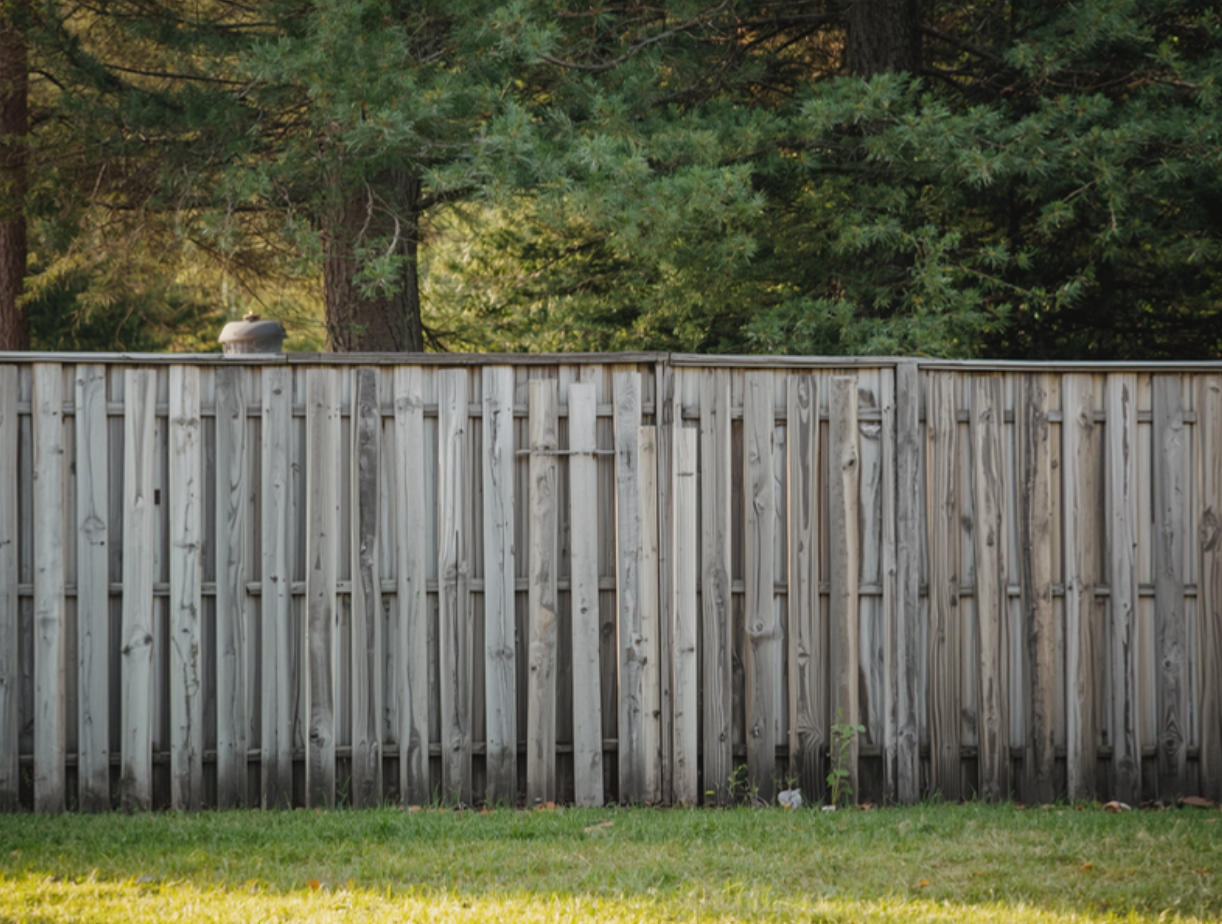
Knowing when to replace a fence instead of repairing it again saves real money. Fix a fence that has a few good years left and you get those years cheaply. Patch one that is failing everywhere and you pay for the same visit twice, then buy the new fence anyway.
On repair calls around Conroe, Willis, and Montgomery, we walk the whole line before we price anything. These are the seven things that most often tip the answer toward replacement.
When to replace a fence: the seven signs
1. Posts are loose along most of the line
One leaning post is a repair. A line where post after post rocks when you push at chest height is a different problem. Upland lots in Conroe, Willis, and Montgomery sit on loose sand over a clay subsoil, and sand gives a post very little side grip. When a fence was built on shallow sets, the posts tend to go one after another, and resetting them one at a time chases the problem down the line. Our page on how we set posts in Conroe soil explains what a sound set looks like.
2. Wood posts are soft at the ground line
Push a screwdriver into a wood post right where it meets the dirt or concrete. If it sinks in easily on several posts, the fence is rotting at its foundation. New pickets on a rotted frame look good for a season and then lean with everything else.
3. Rot has reached the rails
Pickets are cheap to swap. The horizontal rails are the backbone that holds them, and when rails are cracked, spongy, or pulling off the posts across several bays, a repair turns into rebuilding the fence piece by piece. At that point a full replacement usually costs about the same and comes out straighter.
4. You keep fixing the same stretch
If the same section has been propped up, braced, or re-nailed more than once, the cause is still there. Maybe it is a soggy low corner, a downspout dumping at the base, or posts that were never deep enough. A replacement lets us fix the cause, not just the symptom.
5. The fence is at the end of its normal life
Treated pine around here often lasts 8 to 12 years, and cedar 12 to 18. Many fences in older Conroe subdivisions such as Silverstone and Teaswood went up in the 2000s and are past those ranges. Age alone doesn't condemn a fence, but an old fence with any of the other signs on this list rarely justifies a big repair bill.
6. A storm took out a long run, and the rest is the same age
When wind or a falling pine flattens 40 or 60 feet of a tired fence, rebuilding that section in new wood leaves a bright patch next to gray boards that are already loosening. If the standing part shows the same wear, pricing the whole line often makes more sense. Insurance questions are a separate conversation, so check your policy before you decide.
7. The fence no longer fits how you use the yard
A new dog that digs or jumps, a pool going in, an HOA that has changed its height or style rules, or a fence line that turns out to sit off the survey are all reasons to stop repairing. Patching a fence that is the wrong height or in the wrong place only extends something you'll replace anyway.
When a repair is still the right call
Plenty of fences are worth fixing. If the posts are firm and the damage is limited to a few boards, a sagging gate, or one storm-hit section, repair is usually the better value.
- A single leaning gate or corner post. These carry the most load and lean first in loose sand. We reset them deeper and wider, with the base of the pier belled out so it locks into firmer ground, and set in concrete like every post we install.
- Scattered bad pickets. If the frame is sound, new pickets plus a stain to blend them can buy several more years.
- One section hit by a limb. When the rest of the line pushes back solid, replacing one section is a quick job.
How we price it
When a fence is borderline, we quote the repair and the replacement side by side, with photos of what we found, so you can compare the numbers instead of guessing. Our repair and maintenance page explains what's included, and the pricing guide lists typical installed prices per foot by material. Late fall and winter are a good time to book a replacement, since calendars tend to have more room than in spring.
Not sure which side your fence is on? Call or text (713) 331-9419 with a few photos of the whole line, or book a free estimate online. We'll walk it and tell you plainly whether it's worth fixing.
Questions
Quick answers
Can a new fence reuse my old posts?
Sometimes. Steel posts that are still plumb and solid can often carry new rails and pickets. Old wood posts near the end of their life usually can’t, because they are the part that fails first.
Do I need HOA approval to replace a fence with the same style?
Many Conroe-area associations still want a form for a like-for-like replacement, and some have changed their standards since the old fence went in. Check before you schedule; our HOA fencing page explains how we help.
What happens to the old fence?
On a replacement, we remove the old fence before the new one goes in and haul the debris away, so it doesn’t end up piled in your yard.
Let's walk your fence line
Call or text us, or book a time online. We'll measure, talk through options, and send a written quote.